Journey Through Time: The History of Virginia
Virginia, known as the "Old Dominion," holds a rich and storied history that
spans centuries, from its indigenous origins to its pivotal role in the founding
of the United States and its ongoing contributions to American culture and
politics. From the early English settlements to the Revolutionary War, the Civil
War, and the modern era, Virginia's history is a tapestry of triumphs,
conflicts, and the pursuit of liberty and progress.
The earliest chapters of Virginia's history belong to the indigenous peoples who
inhabited the region for thousands of years. Tribes such as the Powhatan
Confederacy, including the Powhatan, Pamunkey, and Chickahominy, developed
complex societies, cultivated the land, and traded with neighboring tribes.
European exploration and colonization of Virginia began in the early 17th
century. In 1607, English settlers established the Jamestown Colony, the first
permanent English settlement in North America. Led by Captain John Smith and
later governed by figures like John Rolfe, the colony faced numerous challenges,
including conflicts with indigenous peoples and the struggle to establish a
stable economy.
Virginia became an economic powerhouse in the 17th and 18th centuries, fueled by
the cultivation of tobacco. Plantations and enslaved labor became integral to
the colony's prosperity. The introduction of African slaves, beginning in 1619,
shaped the state's demographics and laid the foundation for a system of racial
slavery that endured for centuries.
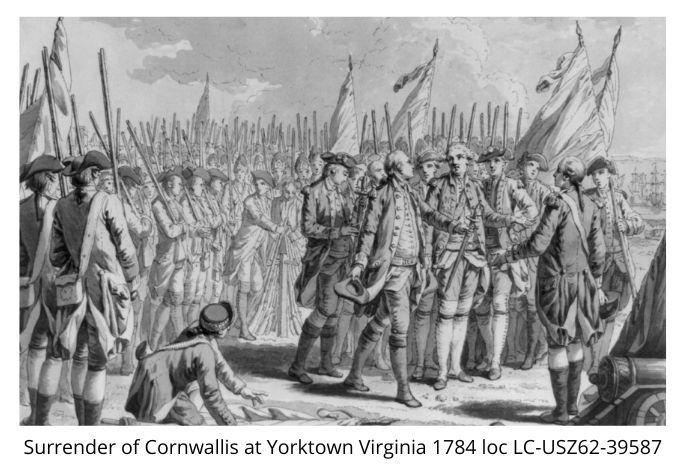
Virginia played a critical role in the American Revolution, with figures like
George Washington, Thomas Jefferson, and Patrick Henry emerging as key leaders
in the fight for independence. The state witnessed pivotal events, such as the
famous speeches of Patrick Henry in Richmond and the decisive Battle of
Yorktown, which led to the British surrender and secured American independence.
In the 19th century, Virginia was at the center of the debates and conflicts
that led to the American Civil War. The state's decision to secede from the
Union in 1861 and join the Confederacy marked a significant turning point in the
conflict. Battles such as Bull Run, Fredericksburg, and Petersburg raged on
Virginia soil, leaving scars that still resonate today.
The post-Civil War period brought challenges and changes to Virginia.
Reconstruction efforts, political upheavals, and the struggle for civil rights
defined much of the state's history. Figures like Booker T. Washington and W.E.B.
Du Bois emerged as influential voices in the fight for racial equality.
Virginia has played a pivotal role in shaping American politics and culture. The
state's capital, Richmond, served as the capital of the Confederacy during the
Civil War. The historic Jamestown Settlement, Colonial Williamsburg, and
Monticello, Thomas Jefferson's iconic plantation and home, attract visitors from
around the world.
In the modern era, Virginia has continued to contribute to the nation's
progress. It is home to key government institutions, including the Pentagon and
the headquarters of the Central Intelligence Agency (CIA). The state has also
experienced significant demographic and economic changes, with a growing
population and diverse industries such as technology, defense, and agriculture.
Today, Virginia stands as a vibrant state that embraces its rich historical
heritage while looking towards the future. It celebrates its cultural
contributions, from literature and music to culinary traditions, and continues
to shape American politics through its active participation in the democratic
process.
The history of Virginia, like the winding paths of the James River, is a
testament to the enduring spirit of its indigenous peoples, the resilience of
its early settlers, and the ongoing pursuit of liberty and justice. As Virginia
moves forward, it carries with it the echoes of its past, striving to build a
future that reflects its diverse heritage and embodies the ideals of progress
and equality.
Image: The victor standing over a vanquished foe. The same image appears on the state seal and flag.
Text: "Virginia".
Roanoke: January high 46F, July high 86F.
Home | States/Provinces | Subjects
