Journey Through Time: The History of Utah
Utah, a state in the western United States, holds a captivating history that
spans thousands of years, from the ancient civilizations of the indigenous
peoples to the arrival of European explorers, the settling of Mormon pioneers,
and its eventual statehood. From its unique geography to its diverse cultural
heritage, Utah's history is a tapestry of resilience, religious faith, and the
pursuit of opportunity.
The earliest chapters of Utah's history belong to the indigenous peoples who
inhabited the region for thousands of years. Tribes such as the Ute, Navajo,
Shoshone, Paiute, and Goshute developed rich cultures and adapted to the diverse
landscapes, utilizing the resources of the mountains, deserts, and river
valleys.
European exploration of Utah began in the 18th century, as Spanish explorers
ventured into the region in search of new territories and trade routes. Spanish
missionaries, such as Father Silvestre Vélez de Escalante and Father Francisco
Atanasio Domínguez, embarked on expeditions that would lay the groundwork for
future interactions with Native American tribes.
In the mid-19th century, Utah became a destination for Mormon pioneers led by
Brigham Young, who sought a refuge to practice their religious beliefs without
persecution. The Mormon settlement of Salt Lake City in 1847 marked the
beginning of the colonization of the region by members of The Church of Jesus
Christ of Latter-day Saints (LDS Church).
The Mormon pioneers transformed the arid landscapes of Utah through their
industriousness and determination. They developed irrigation systems, cultivated
the land for agriculture, and established communities throughout the territory.
Their legacy can be seen in the unique architecture, the Tabernacle and Temple
Square in Salt Lake City, and the enduring influence of the LDS Church on the
state's culture and identity.
Utah faced challenges and conflicts during its early years. Tensions between the
Mormon settlers and the federal government led to the Utah War of 1857-1858,
although ultimately a peaceful resolution was reached. The issue of polygamy,
practiced by some members of the LDS Church, became a significant point of
contention and ultimately led to federal intervention.
Utah's path to statehood was paved with the abandonment of polygamy and a
gradual shift towards greater integration with the rest of the United States. In
1896, Utah officially became the 45th state in the Union.
The 20th century brought further changes to Utah's landscape and economy. The
development of mining, particularly for copper, silver, and coal, became a
significant industry. The construction of dams and irrigation projects, such as
the Glen Canyon Dam and the Central Utah Project, facilitated water storage and
the expansion of agricultural activities.
Utah's natural wonders, including the breathtaking landscapes of Zion National
Park, Bryce Canyon National Park, and Arches National Park, attracted tourists
and outdoor enthusiasts from around the world. The 2002 Winter Olympics held in
Salt Lake City showcased Utah's ability to host international events and brought
global attention to the state.
Today, Utah is a vibrant state known for its stunning natural beauty, outdoor
recreational opportunities, and thriving cities. It embraces its diverse
heritage, with a blend of Mormon, Native American, and other cultural
influences. The state continues to be an important center for the LDS Church,
while also fostering a growing arts scene, technological innovation, and
economic diversification.
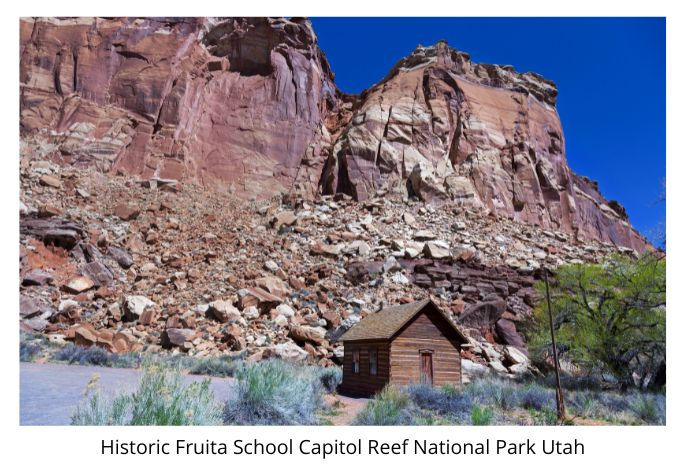
The history of Utah, like the towering red rock formations of its national
parks, is a testament to the endurance of its indigenous peoples, the pioneering
spirit of the Mormon settlers, and the ongoing pursuit of prosperity and
harmony. As Utah moves forward, it carries with it the echoes of its past,
celebrating its diverse heritage while embracing the opportunities and
challenges of a rapidly changing world.
Text: "Utah".
There is also an alternative design with the text: "Utah - Greatest Snow on Earth".
Salt Lake City: January 37F, July 93F.
Home | States/Provinces | Subjects
